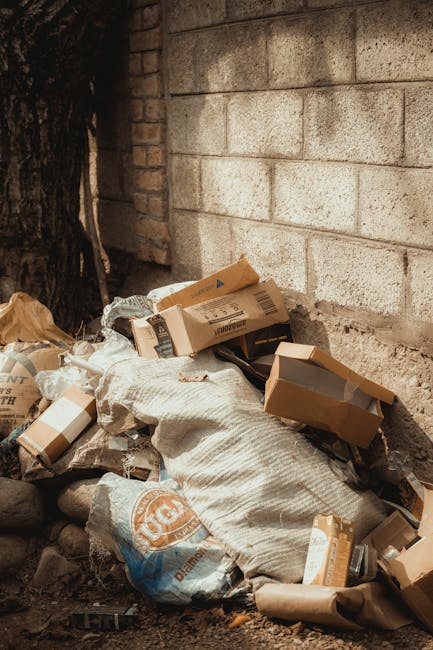
Rubbish removal for Ealing Broadway homes: a practical guide for clear, stress-free home clear-outs
If your home in Ealing Broadway is starting to feel crowded with old furniture, broken appliances, garden cuttings, or the leftovers from a renovation, you are not alone. Rubbish removal for Ealing Broadway homes is one of those jobs that sounds straightforward until you are stood in front of a hallway full of bags, wondering where it all goes, how quickly it can be moved, and whether you are doing it properly.
Truth be told, most people do not need a complicated process. They need a tidy, safe, reliable way to get waste gone without turning the whole place upside down. This guide walks through what rubbish removal involves, how it works in a busy London setting, what to expect from the process, and how to choose the right method for your home. It also covers compliance, common mistakes, and a few sensible tips that save time, money, and hassle.
Why rubbish removal for Ealing Broadway homes matters
Ealing Broadway is a busy, lived-in part of west London. Homes here tend to be a mix of flats, terraces, converted properties, and family houses, which means waste can build up in very different ways. A single flat clearance can involve boxed-up clutter, a mattress, and a fridge. A house project might include loft debris, garden waste, and a pile of old furniture. Not exactly the same job.
Good rubbish removal matters because waste left too long creates a chain reaction. You lose usable space. Rooms feel smaller. Dust spreads. The "I'll deal with that next weekend" pile slowly becomes a permanent fixture. And if you are preparing to sell, rent, refurbish, or simply breathe a bit easier at home, the difference is immediate. One cleared room can change how the whole property feels.
There is also a practical side. In central and west London areas, access can be tight, parking can be awkward, and neighbours are close by. That makes a careful, organised removal plan more valuable than ever. If a job is not planned properly, you end up with delays, extra lifting, and possibly additional costs. Nobody wants that on a wet Tuesday morning when the road is already cramped and the kettle has gone cold.
For households that want a more structured approach, it can help to compare rubbish removal with broader options such as domestic skip hire or flexible collection methods like man and van clearances. Sometimes the best solution is fast removal; sometimes it is having a container on site for a few days. Both can work, depending on the property and the kind of waste involved.
How rubbish removal for Ealing Broadway homes works
At a basic level, home rubbish removal is about collecting unwanted items and transporting them to the right waste facility for sorting, recycling, or disposal. The exact process depends on the size of the job and the access at your property, but the flow is usually similar.
First, the waste is assessed. That might happen through photos, a quick phone conversation, or an on-site look if the job is more complex. From there, the provider chooses the best method. For smaller domestic loads, a man-and-van style collection is often efficient. For bigger clearances, a skip or grab-style service may be more suitable. If waste can be loaded quickly and the vehicle can park safely, a wait-and-load approach can be a neat little workaround. Not glamorous, but effective.
Next comes sorting. Reusable materials, recyclable waste, and items that need specialist handling should be separated where possible. Mixed rubbish is common in homes, but the cleaner the sort, the easier the disposal route. That is especially important for things like appliances, mattresses, sofas, and confidential paper waste. For specialist items, you may need services such as fridge and appliance removal, mattress and sofa disposal, or even confidential shredding where sensitive documents are involved.
Finally, the waste is taken away and processed. A reputable operator should be clear about recycling and disposal routes. If you want a sense of what can be accepted in mixed loads, it is worth checking what can go in a skip, because the same basic principles often apply to domestic collections too. Less guesswork, fewer surprises.
Key benefits and practical advantages
The obvious benefit is that clutter disappears. But the real value goes beyond that, especially for homes in Ealing Broadway where space is often at a premium.
- More usable space: A cleared loft, spare room, or hallway instantly gives a home more breathing room.
- Less stress: Large waste piles are mentally noisy. Once they are gone, the house feels calmer.
- Safer rooms: Removing trip hazards, sharp edges, and unstable stacks reduces the chance of accidents.
- Faster projects: Renovation, decorating, and decluttering all move more smoothly when waste is handled quickly.
- Better presentation: If you are selling or letting, a clean property is easier to photograph and view.
- Improved recycling outcomes: A proper service can route more material away from landfill where possible.
There is another practical advantage people often miss: timing. A good removal service can help you regain control of a project before it starts spreading into every room. A couple of bags becomes a corner pile, then a pile becomes a whole room, and suddenly the house is speaking in cardboard. You know the feeling.
If you are trying to keep things moving during a refurb, domestic rubbish removal can also work alongside services like builders waste removal or construction waste clearance when home improvements create mixed debris. That is especially useful for kitchens, bathrooms, and loft conversions.
Who this is for and when it makes sense
Rubbish removal for Ealing Broadway homes is not just for people doing a full house clearance. In practice, it suits all sorts of everyday situations.
- Families decluttering before school holidays or a move
- Landlords preparing a rental property between tenancies
- Homeowners clearing out lofts, garages, sheds, or spare rooms
- People replacing furniture or appliances
- Anyone tackling garden waste after pruning or landscaping
- Residents managing waste from DIY or light renovation work
It also makes sense when access is difficult. In some Ealing Broadway homes, there is nowhere convenient to place a skip, or parking restrictions make a long on-street setup awkward. In those cases, a same-day collection or wait-and-load option can be more realistic than leaving a container outside for days. If timing is tight, same-day skip hire can also be worth considering for urgent jobs that need immediate momentum.
Garden projects are another common trigger. Once you start cutting back hedges, lifting old sleepers, or removing dead planting, the waste can grow faster than expected. For that kind of job, garden waste removal is often the cleanest fit. Simple enough, really.
Step-by-step guidance
If you want the process to run smoothly, it helps to treat rubbish removal like a small project rather than a last-minute chore. Here is a sensible approach.
- Identify what needs to go. Walk through the property room by room. Be honest. If an item has been sitting unused for a year, it is probably not secretly becoming useful next month.
- Separate waste by type. Group general rubbish, furniture, appliances, garden material, and anything potentially hazardous. This makes pricing and disposal much easier.
- Check for restricted items. Some goods need specialist handling. Paints, solvents, gas bottles, and certain electricals should never be treated like everyday rubbish.
- Measure access. Note staircases, tight hallways, basements, parking rules, and whether the collection vehicle can stop nearby.
- Choose the right removal method. For smaller jobs, a van-based clearance may be enough. For larger or ongoing waste, a skip or grab service can work better.
- Book a time that suits the household. If children, pets, or neighbours might be affected, a quieter window is usually easier.
- Clear a path. Move lightweight items out of the way so the crew can work efficiently and safely.
- Confirm what happens next. Ask how the waste will be processed, whether recycling is included, and whether any extra charges may apply.
A small but useful point: if you are using a skip for part of the work, check the load rules in advance. The page on skip sizes and prices is helpful for understanding how capacity and cost usually relate. And before you fill anything, a quick look at what can go in a skip can save a lot of awkwardness later.
Expert tips for better results
Small choices make a big difference. In our experience, the jobs that go best are not always the smallest jobs; they are the ones where the homeowner has done a little prep beforehand.
Tip 1: sort before collection day. Even a rough sort helps. Put metal with metal, cardboard with cardboard, and anything fragile somewhere sensible so it does not get smashed in transit. It sounds obvious. Still worth saying.
Tip 2: don't hide surprise items in mixed loads. If there is an old TV, a fridge, or a bag of paint tins at the back of the shed, mention them early. Specialists can plan for them. Nobody likes the awkward pause when a banned item turns up halfway through a collection.
Tip 3: think about access like a driver would. Can a vehicle park close enough? Are there stairs? Is the lift tiny? Is there a neighbour's car sitting exactly where it should not be? Tiny access details can make a big logistical difference.
Tip 4: choose methods that fit the property. A top-floor flat may suit a van collection better than a skip. A long driveway may make skip hire easy. A narrow street might favour wait-and-load or a grab-style approach. The right method saves effort and usually keeps things tidier too.
Tip 5: ask about recycling and sustainability. A well-run waste service should be able to explain how general waste is separated and what happens to recyclable material. You do not need a lecture, just a clear answer. If that matters to you, take a look at recycling and sustainability to see the wider approach.
Tip 6: keep an eye on security. If you are disposing of paperwork, bank letters, old filing, or records from a home office, use confidential shredding rather than putting documents loose into general waste. It is one of those things people forget until it matters.
Common mistakes to avoid
Most rubbish removal problems come from assumptions. The good news is that they are easy to avoid once you know what to look for.
- Underestimating the volume: A pile that looks small in a corner can become a whole van load very quickly.
- Mixing restricted waste with general rubbish: Hazardous or specialist items need proper handling.
- Ignoring access issues: Tight stairs, parking limits, and neighbours' cars can cause delays.
- Not checking service scope: Some providers handle only standard waste, while others can manage appliances, mattresses, or bulky furniture.
- Forgetting about permits: If a skip is going on a public road, permits may be needed. It is worth checking before booking.
- Choosing purely on price: The cheapest quote is not always the best value if it excludes key items or creates last-minute add-ons.
The permit issue is a big one in London. If a skip needs to sit on the road, read the guidance on skip hire permits and the broader skip permits information before confirming anything. It is far easier to plan for this at the start than to sort it out in a rush.
One more thing: do not assume all waste is "just rubbish." Some items need separate handling because of safety, environmental, or legal reasons. That includes things like certain chemicals, fridges, and damaged electrical equipment. A quick question now can save a headache later. Quite a few, actually.
Tools, resources and recommendations
You do not need special equipment to arrange rubbish removal, but a few simple tools make the process smoother.
- Boxes or sacks: Useful for grouping loose clutter, papers, and smaller household items.
- Labels or marker pens: Handy for identifying items that should be kept, recycled, or removed.
- Measuring tape: Helpful when checking whether bulky furniture can fit through doorways or into a van.
- Phone camera: A quick set of photos can make quoting much easier and reduce guesswork.
- Gloves and sturdy shoes: Especially sensible if you are sorting in a loft, garage, or garden shed.
For homeowners trying to compare service styles, these pages are especially useful: rubbish removal for direct collections, wait and load skip hire for fast turnaround, and grab hire services for larger loads or heavier waste. Each option suits a different sort of home and a different kind of mess.
If you are planning a bigger clear-out, it can also help to read about house clearance and garage and loft clearance. Those services overlap with domestic rubbish removal in real life, even if the names sound a bit more formal on paper.
Law, compliance, standards and best practice
For home rubbish removal, the main thing to remember is that waste should be handled responsibly and by a provider that follows accepted UK waste practices. You do not need to become a compliance expert, but it is wise to understand the basics.
Householders should avoid passing waste to anyone who cannot clearly explain where it will go. If a collection seems too casual, or the operator is vague about disposal, that is a warning sign. Responsible operators should also be able to explain how they separate recyclable materials and deal with items that need specialist treatment.
Best practice also means protecting your home and neighbours during loading. That includes safe lifting, sensible stacking, care around shared hallways, and respect for parking and access. In flats and conversions, that matters a lot. One scratched banister can cause more trouble than the actual rubbish pile, and no one wants that conversation.
For bulky appliances or waste that could pose risks, use the dedicated options where suitable. Fridges, for example, are better handled via fridge and appliance removal. If the property contains items with sharp edges, damp materials, or mixed renovation debris, check whether the provider recommends a specialist route such as builders waste removal or construction waste disposal.
Safety and insurance are worth checking too. A reputable company should be comfortable discussing how work is carried out safely. If you want reassurance, the pages on health and safety policy and insurance and safety give a good sense of how a professional provider should think about risk.
Options and comparison table
There is no single right answer for every Ealing Broadway home. The best option depends on what you are clearing, how quickly you need it done, and how much space you have for access or storage.
| Option | Best for | Strengths | Watch-outs |
|---|---|---|---|
| Rubbish removal | Mixed household waste, furniture, quick clear-outs | Fast, minimal disruption, suitable for awkward access | Less useful for ongoing project waste if the load is very large |
| Domestic skip hire | Home projects with waste generated over several days | Good for gradual loading, simple for repeat use | May need a permit and space outside the property |
| Wait and load | Properties with limited space or short loading windows | No skip left behind, quick turnaround | Requires waste to be ready when the vehicle arrives |
| Grab hire | Larger, heavier, or more awkward waste piles | Efficient for bulk material and mixed loads | Needs suitable access for the vehicle |
| House clearance | Whole-property clear-outs, probate, moves, major decluttering | Comprehensive and organised | More planning required than a simple one-off collection |
If your home project is edging into refurbishment territory, the pages on builders skip hire and construction waste disposal may also help you choose a better fit. For straightforward domestic clutter, though, rubbish removal is often the quickest and least fussy option.
Case study or real-world example
A typical Ealing Broadway scenario goes like this. A couple are preparing to repaint a two-bedroom flat near the station. The spare room has become the family dumping ground: an old desk, two broken chairs, a rolled-up carpet, boxes of papers, a small fridge, and a few bags of mixed rubbish from years of "we'll sort that later."
At first glance, it feels manageable. Then they start moving items into the hallway and realise there is less space than expected. The lift is small, the staircase is narrow, and the front entrance has only limited stopping space. So a skip on the road would mean extra logistics, possibly a permit, and a lot of foot traffic around it.
In a case like that, a direct collection is usually the calmer option. The waste can be separated in advance, the fridge handled properly, and the crew can work through the flat without leaving anything on the pavement. If the household also has a couple of bulky items that need specific handling, those can be added to the plan rather than treated as a late surprise. That is the real win: fewer moving parts.
By the end of the morning, the room is empty, the hall is clear, and the decorating can start. No drama. No pile of damp cardboard sitting in the rain. Just one less thing to think about.
Practical checklist
Before you book anything, run through this checklist. It keeps the process tidy and avoids the usual last-minute scramble.
- Have I listed everything that needs removing?
- Have I separated general waste from appliances, furniture, and special items?
- Do I know whether any waste is hazardous or restricted?
- Is there enough access for a vehicle or loading crew?
- Do I need a permit if a skip is being used on the road?
- Have I checked whether recycling is included or discussed?
- Do I know how bulky items like sofas, mattresses, or fridges will be handled?
- Have I chosen a time that works for the household and neighbours?
- Have I confirmed the service method, price structure, and any extra charges?
- Have I cleared a path for the collection team?
That last one sounds minor, but it helps a lot. A hallway free of shoes, prams, and mystery shopping bags makes the whole job easier. Sometimes it is the tiny wins that keep a home project moving.
Conclusion
Rubbish removal for Ealing Broadway homes is really about making life simpler. Whether you are clearing a flat, tidying a loft, dealing with garden waste, or sorting out the aftermath of a small renovation, the right approach saves space, time, and a fair bit of stress. The best outcome is not just "everything gone." It is having the job handled in a way that feels organised, safe, and appropriate for your property.
Start with the kind of waste you have, think about access, and choose a method that suits the home rather than forcing the home to suit the method. That one decision usually makes the whole process smoother. And if you are still weighing up your options, a little guidance goes a long way. Honestly, a lot of the heavy lifting is in the planning.
Get a free quote today and see how much you can save.
When the clutter is finally gone and the room feels lighter, you will notice it straight away. It is a small change on paper, but in the house it can feel like a fresh start.
Frequently Asked Questions
What is included in rubbish removal for Ealing Broadway homes?
It usually includes collecting unwanted household items, bagged waste, furniture, appliances, and mixed domestic rubbish, then transporting it for sorting and disposal. Exact inclusions vary by provider and waste type.
Is rubbish removal better than hiring a skip for a house clear-out?
It depends on the property and the job. Rubbish removal is often better for awkward access, quick clearances, and homes without space for a skip. A skip may suit longer projects where waste builds up over several days.
Do I need a permit for waste removal at my home?
Usually not for a collection service, but you may need a permit if a skip is placed on a public road. It is sensible to check the relevant permit guidance before booking if road space is involved.
Can bulky items like sofas and mattresses be taken away?
Yes, in many cases they can. It is best to use the relevant specialist pages such as mattress and sofa disposal so the items are handled correctly and efficiently.
What happens to my rubbish after collection?
It is usually sorted for reuse, recycling, or disposal depending on the material. A responsible provider should be able to explain the general process and how recyclable items are separated.
Can I put appliances in with general household waste?
Not always. Items like fridges, freezers, and some electrical appliances often need dedicated handling. It is safer to confirm with the provider before putting them in a mixed load.
Is same-day rubbish removal available in Ealing Broadway?
Sometimes, yes. If timing is urgent and access is straightforward, a same-day service may be possible. Availability depends on the day, the load, and how much notice you give.
How do I know which removal method is right for my home?
Think about access, waste volume, and timing. A van collection suits smaller, faster jobs. A skip suits gradual loading. Grab hire works well for heavier or larger piles. If you are unsure, a quick photo-based assessment usually helps.
Are there items that cannot go in general rubbish removal?
Yes. Hazardous items, certain chemicals, and some specialist waste streams need separate treatment. If you are not sure, check the provider's guidance or ask before collection day.
How can I save money on domestic rubbish removal?
Sort waste in advance, separate reusable or recyclable items, be clear about access, and choose the right service type for the job. The more accurate the job details, the less likely you are to pay for unnecessary time or extra handling.
What if I only have a small amount of rubbish?
For a small load, a simple collection is often the easiest option. If the volume is tiny but urgent, ask whether a short-notice or same-day service makes sense. Sometimes a little waste still creates a big nuisance, to be fair.
Where can I read more about your wider services and policies?
You can explore the company's wider information through pages such as about us, pricing and quotes, payment and security, and complaints procedure. Those pages are useful if you want to understand service standards before booking.