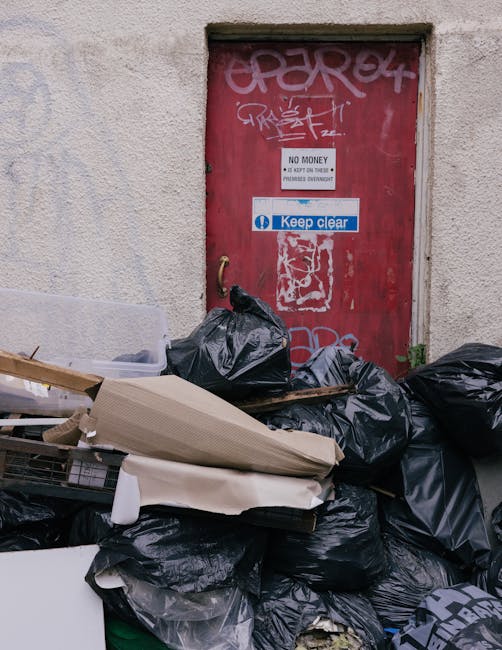
Avoid hidden costs with rubbish clearance near W5

If you are trying to avoid hidden costs with rubbish clearance near W5, you are probably after one thing above all: a clear price that actually stays clear. Fair enough. Nobody wants a "cheap" rubbish clearance quote that turns into a longer invoice once the van has arrived, the team has started loading, or someone notices a few extra bags tucked behind the shed.
In and around W5, the difference between a straightforward collection and an expensive surprise often comes down to the small print, access issues, restricted items, parking, and how the waste is described at the point of booking. This guide breaks all of that down in plain English so you can plan properly, compare options sensibly, and choose a service with fewer nasty little add-ons.
We will look at how rubbish clearance pricing usually works, what hidden costs to watch for, when a skip or a wait-and-load option may be better, and how to check a provider before you commit. If you want to be practical rather than optimistic, you are in the right place.
Why avoiding hidden costs matters
Hidden costs are not just annoying. They can completely change the value of a rubbish clearance job. A quote that looks tidy at first glance may not include labour for awkward access, congestion or parking, extra weight beyond an assumed limit, disposal charges for specific items, or a fee for waiting around while you finish sorting the pile. Suddenly, the "affordable" option is not so affordable.
That matters even more in W5, where homes, flats, shared drives, side passages, and busy streets can make collection more complicated than it first appears. A narrow path or a fourth-floor flat with no lift can be enough to alter the job. Not because anyone is being difficult, but because real-world clearance work is rarely as neat as the brochure version.
There is also the trust factor. When a company is upfront about price, it usually tends to be upfront about timing, loading rules, and disposal expectations too. That does not guarantee perfection, of course, but it does make life easier. And to be fair, most people would rather pay a fair, clear price than chase discounts that vanish the moment the truck pulls up.
For bigger jobs, it can help to compare pricing and quotes alongside the actual service scope. If you are dealing with renovation waste, the right fit may also be a more structured option such as builders waste removal or builders skip hire rather than a generic clearance booking.
How rubbish clearance pricing works
Most rubbish clearance pricing is built around a few moving parts. The company needs to estimate how much waste there is, what type it is, how long the job will take, how easy it is to reach, and how it will be transported and processed. A simple one-room clearance is one thing. A loft full of mixed clutter and heavy furniture is another thing entirely.
In practice, you will usually see one of three models:
- Fixed quote based on the type and volume of waste described in advance.
- Load-based pricing where the cost rises with the amount of van or skip space used.
- Time-based or hybrid pricing where access, waiting, and loading time can affect the final figure.
The important bit is knowing which parts are included. Does the quote cover labour? Is it a man-and-van style collection? Are disposal fees already included? What happens if the team arrives and finds more waste than expected? These are the questions that separate a useful estimate from a budget that starts wobbling.
If you want to benchmark your options properly, it is worth checking rubbish removal against alternatives like man and van or wait and load skip hire. Each one works differently, so the cheapest headline number is not always the best fit.
A small but important detail: some waste types are simply more expensive to handle. Mattresses, fridges, electrical appliances, confidential paperwork, and certain bulky or restricted materials can carry separate handling or disposal costs. If you know those items are part of the job, say so early. Saves everyone the awkward conversation later.
Key benefits and practical advantages
Choosing a transparent rubbish clearance service is not just about avoiding surprises. It can make the whole job smoother from start to finish.
- Better budgeting: You know what the job is likely to cost before work begins.
- Fewer disputes: Clear scope means fewer misunderstandings on the day.
- Faster decisions: Once you understand the pricing model, you can compare services more confidently.
- Less stress: No one likes staring at an invoice and wondering where half the charges came from.
- More suitable waste handling: The right service can separate recyclables, bulky items, and specialist materials properly.
There is also a practical advantage that people sometimes overlook: a transparent provider usually makes it easier to choose the right service level in the first place. For example, if your project needs a fast same-day collection, you can explore same day skip hire or, if access is the main challenge, a managed collection through grab hire services may be a better match.
If you are clearing out an entire property, the same logic applies. A full house clearance or garage and loft clearance can be more efficient when the service is scoped carefully rather than sold as a vague "all-in" job. Vague sounds easy. It usually isn't.
Who this is for and when it makes sense
This topic is relevant to a lot of people in W5, and not only to homeowners doing a spring clear-out. Let's face it, waste builds up in all sorts of ways.
- Homeowners clearing lofts, sheds, garages, or renovation debris.
- Landlords and letting agents dealing with end-of-tenancy leftovers.
- Builders and tradespeople who need regular, predictable waste handling.
- Small businesses that need office or storage clearances without messy add-ons.
- Families handling bereavement or downsizing who need a careful, clearly priced service.
It also makes sense when access is awkward or the load is mixed. A pile of garden waste, a broken sofa, a few bags of builders' rubble, and an old appliance are not always best handled in one generic booking unless the provider understands exactly what they are collecting. In that sort of situation, service choice matters a lot. You might want house clearance, garden waste removal, or fridge and appliance removal rather than hoping one price somehow covers everything.
Commercial customers may prefer commercial skip hire or office clearance where recurring costs are easier to track. For building sites, more specialist choices like construction waste disposal or construction waste clearance may reduce friction on the job.
Step-by-step guidance
If you want to avoid hidden costs properly, do not start with the price alone. Start with the waste itself. That sounds simple, but it is where most people either save money or create headaches for themselves.
- List everything that needs removing. Split it into bags, furniture, rubble, appliances, garden material, and anything unusual.
- Check access honestly. Measure gates, stairs, pathways, parking space, and whether the team can reach the waste without carrying it a long distance.
- Identify restricted items. If you have fridges, mattresses, paint, chemicals, sharp materials, or confidential papers, mention them early.
- Choose the right service type. Compare rubbish removal, skip hire, wait-and-load, grab hire, or a man-and-van style collection.
- Ask what the quote includes. Labour, disposal, VAT, parking, loading time, permits, and call-out fees all need to be clear.
- Confirm what happens if the load changes. If more rubbish appears on the day, how will it be priced?
- Get the booking terms in writing. Even a short confirmation email is better than a memory-based agreement that drifts by Friday afternoon.
A practical example: if you are clearing a W5 basement flat and the team has to park two streets away, carry items downstairs, and deal with mixed bulky waste, a cheap quote can quickly become less cheap. If you know that in advance, you can choose a method designed for access-heavy jobs rather than paying for the surprise later.
If you are unsure about skip suitability, the guide on what can go in a skip is a useful reality check before you book.
Expert tips for better results
Here are the habits that tend to save the most money and the most hassle, based on real-world clearance work rather than ideal conditions.
- Photograph the waste before you book. A few clear photos often prevent under-quoting and awkward revisions later.
- Separate obvious special items. Put appliances, mattresses, and confidential material to one side so they can be priced correctly.
- Prepare access before collection day. Move cars, unlock gates, and clear a route. Small effort, real payoff.
- Ask whether recycling affects the price. Some services build better sorting into the quote, which can be useful if sustainability matters to you.
- Use the right size or format. If the job is too big for a van load but too small for a skip, that middle ground is often where skip sizes and prices help you make a sensible call.
One thing people forget: the cheapest option is not always the one with the lowest price per collection. If you need repeat visits, site clearance, or heavy waste handling, a service that gets it right first time can work out better. A bit less glamorous, maybe, but far less painful.
Another useful move is to ask about the provider's approach to recycling and sorting. A proper waste recycling services page should tell you enough about how materials are handled to give you confidence that you are not just paying for someone to cart things away and hope for the best.
Common mistakes to avoid
The same expensive mistakes show up again and again. Luckily, most are easy to prevent once you know what to look for.
- Booking on headline price only. A low quote can be misleading if it excludes labour or disposal.
- Underestimating the volume. "It's only a few bags" sometimes turns into a full van load. Happens all the time.
- Forgetting access issues. Narrow entrances, no parking, long carries, and stairs all affect the job.
- Mixing restricted waste with general rubbish. That can trigger extra charges or refuse the collection altogether.
- Assuming all services work the same way. Skip hire, wait-and-load, grab hire, and man-and-van collections each have different cost structures.
- Not checking permit requirements. If a skip needs to sit on a public road, you may need to look at skip hire permits or skip permits depending on the arrangement.
There is also the awkward little issue of "left behind" material. If a service quotes for loose household junk and then finds builders' rubble or heavy plasterboard mixed in, the price may change. It is not a trick, just a mismatch. But it feels like a trick when nobody explained it before the lorry arrived.
And yes, the classic mistake is saying "yes, that should be everything" when you know there is a second pile round the back. We have all been tempted. Don't.
Tools, resources and recommendations
You do not need fancy software to avoid hidden costs. A few simple tools and habits are enough.
- A phone camera to document the load before you request a quote.
- A tape measure for gates, access points, and large items.
- A quick notepad list of item types and quantities.
- Basic weight awareness for heavy materials like soil, rubble, tiles, and mixed construction waste.
- Written confirmation of the agreed scope, arrival window, and included charges.
For furniture and bulky household items, specialist pages such as mattress and sofa disposal can help you understand what should be separated before collection. For confidential material, confidential shredding is the safer route than tossing paper files into mixed waste and hoping nobody notices. They usually do notice.
If you are looking at property-wide clearances, it may be worth comparing site clearance, garage and loft clearance, and house clearance to see which service is actually aligned with your job. The right label can save you real money.
For anyone who prefers a more direct, hands-off approach, a trusted provider with clear booking and payment processes matters too. It is worth reviewing payment and security and the company's about us information before making a decision. Trust is not everything, but it is not nothing either.
Law, compliance and best practice
Waste clearance in the UK comes with responsibilities. You do not need to become a legal expert, but you do need to know the basics. Reputable operators should handle waste responsibly, transport it correctly, and be careful about what they collect. As a customer, you should avoid handing waste to anyone who seems vague about where it goes or how it is processed.
For business customers, the standard for record-keeping and responsible disposal is particularly important. Construction, commercial, and office waste can involve mixed materials, duty-of-care concerns, and sensitive items. In simple terms: you want evidence that the waste is being taken somewhere legitimate and managed properly, not just shifted out of sight.
Practical best practice also includes:
- describing the waste accurately before booking;
- separating hazardous or specialist items from general rubbish;
- confirming who is responsible for parking or permits;
- keeping the booking terms and quote details;
- choosing a provider that explains exclusions plainly.
If your clearance involves hazardous or potentially harmful material, treat it differently. A dedicated hazardous waste disposal service exists for a reason. It is not the place to improvise. Same with certain construction streams, where demolition waste removal or more specialist handling may be the safer and more appropriate route.
In short, compliance is not just about avoiding fines or problems. It is about reducing risk, preventing delays, and making sure the waste leaves your property in a responsible way. Quietly important stuff, that.
Options and comparison table
The right rubbish clearance method depends on access, waste type, timing, and how much you want to do yourself. Here is a simple comparison to help you weigh it up.
| Option | Best for | Possible hidden cost risk | Good to know |
|---|---|---|---|
| Rubbish removal | Mixed household waste, furniture, general clutter | Labour, access, special items, excess volume | Good when you want a team to do the lifting |
| Skip hire | DIY, renovation, ongoing waste creation | Permits, overfilling, prohibited items, extra hire days | Useful if you can load at your own pace |
| Wait-and-load | Sites with limited space and quick turnover | Waiting time, access delays, load size mismatch | Handy where a skip would be awkward |
| Grab hire | Heavy, bulky, or loose waste with good roadside access | Access limitations, minimum load expectations | Strong option for bulky outdoor waste |
| Man and van | Smaller clearances and fast one-off collections | Unclear loading scope, extra bags, parking constraints | Best when the job is well described in advance |
If your waste is mostly from a build or refurbishment, compare these options against construction waste disposal and builders skip hire. If the issue is simply speed, same day skip hire may be the more sensible route. Different jobs, different tools. That really is the gist of it.
Real-world example
Picture a family in W5 clearing a back bedroom and part of the loft before decorating. There are old boxes, a broken wardrobe, a mattress, several black bags, and a few dusty bits that have somehow survived three house moves. The first quote they receive sounds great, but it only covers light mixed household waste and assumes easy ground-floor access.
On the day, the team notices that the loft items need carrying down a tight staircase, the mattress needs separate handling, and the old wardrobe is heavier than expected. The price rises. Not outrageously, but enough to sting. The job still gets done, but the sense of "why didn't someone say that earlier?" lingers.
Now compare that with a better-planned approach. The customer sends photos, explains the loft access, identifies the mattress and the bulky furniture, and asks whether a straightforward house clearance or a man and van collection is more appropriate. The quote is a touch higher at the start, but it matches the reality of the job. No drama, no awkward renegotiation, no mystery surcharge at the end.
That is the whole point, really. A transparent quote is often the one that looks slightly less exciting on paper but works better in real life.
Practical checklist
Use this before you book any rubbish clearance near W5.
- Have I listed every item that needs removing?
- Have I included bulky, heavy, or awkward items?
- Have I checked whether anything is restricted or hazardous?
- Have I described access honestly, including stairs, parking, and distance from the property?
- Have I asked what the quote includes and excludes?
- Do I know whether the price is fixed, load-based, or time-based?
- Have I asked about permits if a skip may need to go on the road?
- Have I confirmed the booking in writing?
- Have I compared at least one alternative method?
- Do I know what happens if there is more waste than expected?
If you can tick most of those off, you are already ahead of the game. Simple as that.
Conclusion
To avoid hidden costs with rubbish clearance near W5, the key is not to hunt for the lowest headline number. It is to understand the load, the access, the waste type, and the exact scope of the job before anyone starts lifting. That one habit saves time, stress, and money more often than not.
When you compare clear quotes, choose the right service type, and ask the slightly boring questions up front, you dramatically reduce the chance of surprise charges. And honestly, the boring questions are usually the smart ones.
Whether you are clearing a flat, a garden, a loft, a shop, or a building project, a transparent provider will make the process feel calmer and more controllable. That is worth quite a lot on a busy day in London.
Get a free quote today and see how much you can save.
If you are ready to take the next step, start with a clear estimate, then check the terms, the waste type, and the service fit. A little care now can save a lot of head-scratching later, and that is usually the nicer way to do business.
Frequently Asked Questions
What are the most common hidden costs in rubbish clearance near W5?
The most common extra charges usually relate to access, labour, heavy or bulky items, restricted waste, parking problems, waiting time, and waste that is larger than first described. The best way to avoid them is to be specific when you request a quote.
Is rubbish removal cheaper than skip hire in W5?
It depends on the job. Rubbish removal can be better for mixed loads and properties with awkward access. Skip hire may be better if you are generating waste over several days and can load it yourself. The cheapest option is the one that fits the job properly, not just the one with the lowest headline price.
How can I compare rubbish clearance quotes fairly?
Compare what is included, not just the total price. Check labour, disposal, VAT, parking, waiting time, special item charges, and any limits on volume or weight. If the scope is different, the quote is not truly comparable.
Do I need a permit for a skip near W5?
You may need a permit if the skip is placed on a public road or other highway-controlled space. If it stays fully on private land, a permit may not be needed. Always confirm the arrangement before booking.
What should I tell the provider before booking?
Tell them what you need removed, roughly how much there is, whether there are heavy or awkward items, how access works, and whether any items are hazardous or restricted. A few photos can help a lot, especially for mixed loads.
Can I put appliances and mattresses in a normal clearance load?
Sometimes yes, but they may be charged differently or handled as separate items. A fridge, washer, mattress, or sofa can affect the price, so mention them in advance rather than assuming they are covered.
What is the difference between wait-and-load and rubbish removal?
Wait-and-load usually means a vehicle arrives, you load quickly, and it leaves without leaving a skip behind. Rubbish removal is often more hands-off, with the team doing the lifting. The right choice depends on access, timing, and how much help you want.
How do I avoid paying for more waste than I planned for?
Sort the waste first, measure the pile, and take photos before booking. If you think the load might grow, say so early. It is much easier to build a cushion into the quote than to explain an unexpected second pile later.
What happens if my waste includes hazardous items?
Hazardous items should be separated and handled through a suitable specialist service. Do not mix them with normal household or construction waste. That can create safety issues and may also lead to extra charges or refusal of the load.
Is same-day collection worth it?
It can be, especially if you need to clear space quickly after a move, delivery, or site deadline. Just make sure the service details are clear, because urgent jobs can be more expensive if the scope is poorly defined.
What should I do if I think a quote is too vague?
Ask the provider to break it down in plain language. You want to know what is included, what might cost extra, and what would trigger a revised price. If the answer stays woolly after that, it may be worth looking elsewhere.
How can I tell if a rubbish clearance company is trustworthy?
A trustworthy provider should explain pricing clearly, discuss access and waste type honestly, and make terms easy to understand. It also helps if they offer clear information about payments, safety, and what happens to the waste afterwards.
Can a skip be a cheaper option for bigger clearances?
Yes, sometimes. If you have a large amount of waste and the job will take a few days, skip hire can be more cost-effective. For a more detailed comparison, it is worth checking skip sizes, permit needs, and whether your waste is suitable for a skip in the first place.